4620 East Douglas, Suite 100 Wichita, KS 67208

Professional Dental Cleaning: Procedure, Benefits, and After-Care Tips
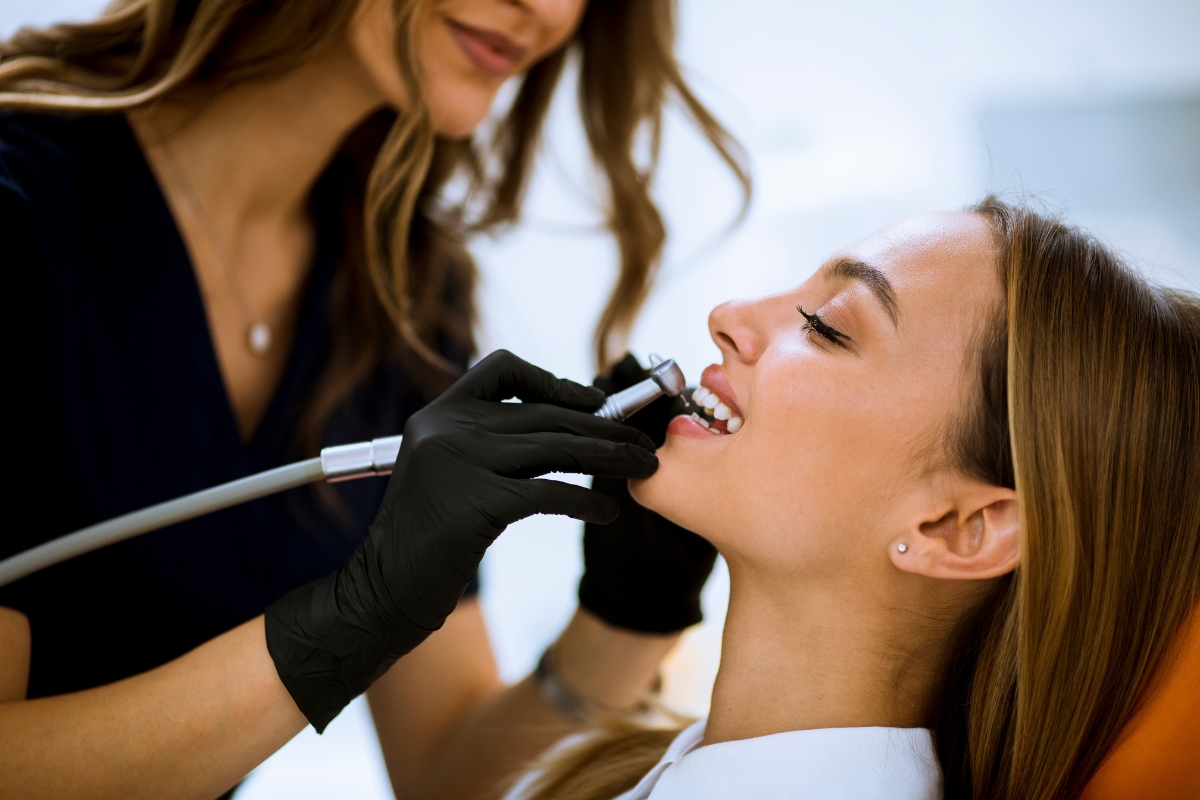
Professional dental cleaning is an integral part of a person’s overall oral health. Although a person may be following a proper routine to remove the plaque from his/her teeth through brushing and flossing on a daily basis, professional cleaning helps in removing this hidden plaque from a person’s teeth to ensure proper cleansing of his/her gums and teeth. Plaque left untreated in a person’s mouth hardens over a period of time to form tartar.
In addition to brushing your teeth, dental cleaning plays an important role in identifying potential problems with your oral health so you do not have issues later. By understanding what this procedure involves, you are better equipped to ensure that your smile remains bright throughout your life. This blog will help you learn about the whole process so that you can maintain great oral health for a lifetime.
What to Expect During a Professional Dental Cleaning?
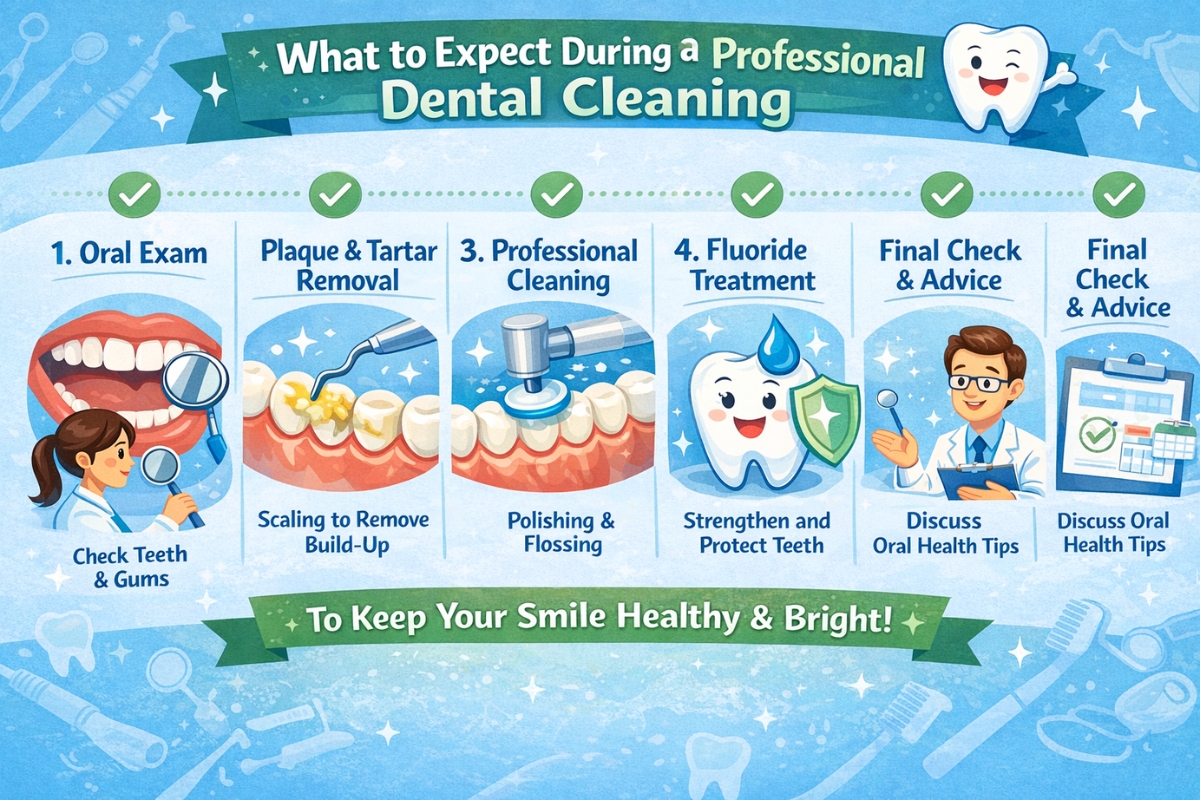
A professional dental cleaning procedure is usually preceded by a dental check-up by your dentist. Your dentist is expected to examine you to determine whether you have any conditions, such as tooth decay or gum disease.
Once you have had the preliminary check-up, you can then undergo a professional dental cleaning in Wichita, KS, which entails the following steps:
- Scaling: This is the initial step in the teeth-cleaning process. Your dentist employs unique tools to remove the deposition of tartar and plaque from the surfaces of your teeth. This is a critical step, since if not properly cleaned, tartar and plaque may cause gum disease.
- Polishing: After scaling, your dentist polishes your teeth by applying a gritty paste. This procedure is important because it helps remove any remaining plaques and provides a smooth surface that prevents them from easily adhering.
- Flossing: After your teeth are polished, your dentist will floss them to remove any plaque and debris that might be stuck between them. This is very important as it helps prevent cavities from forming between your teeth.
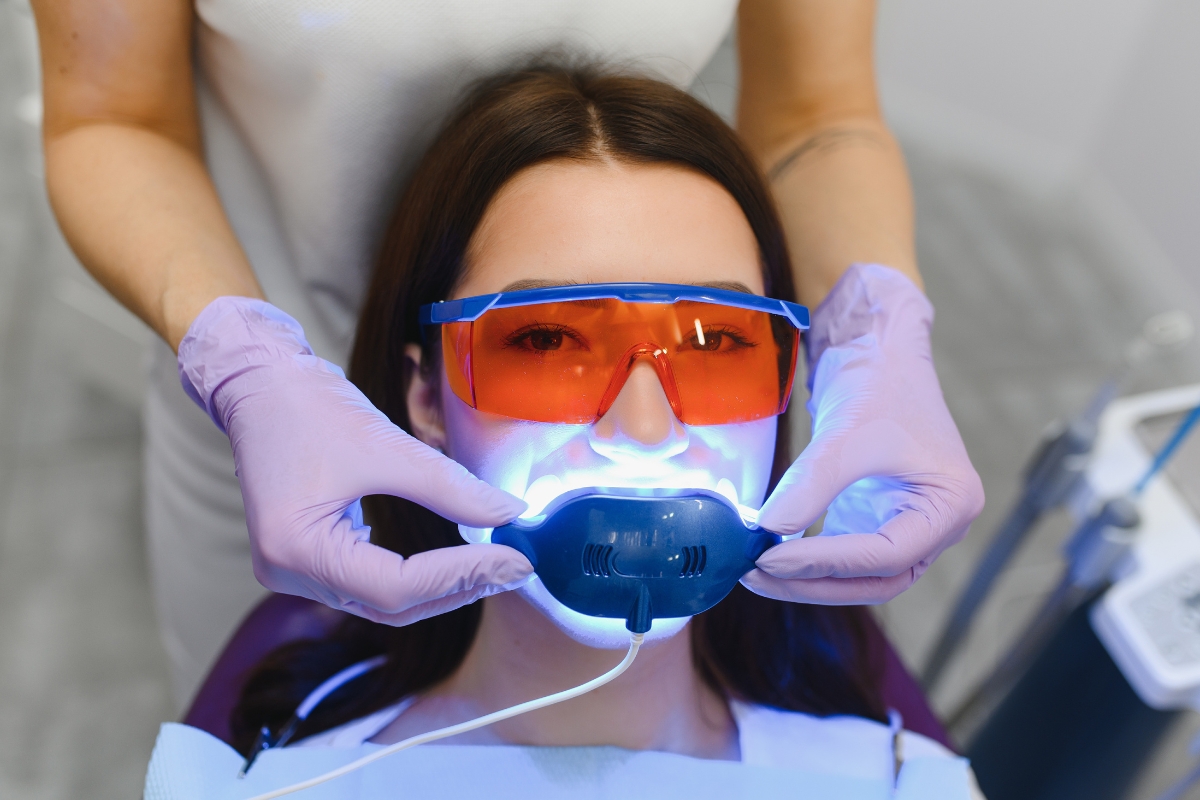
- LaserTeeth Cleaning (Optional): Depending on your dentist’s assessment, he or she may suggest laser teeth cleaning treatment. Laser technology uses a concentrated beam of light to effectively clean your teeth of plaque and bacteria. This treatment may also relieve inflammation in your gums if you have any gum disease.
Routine Dental Cleaning Benefits
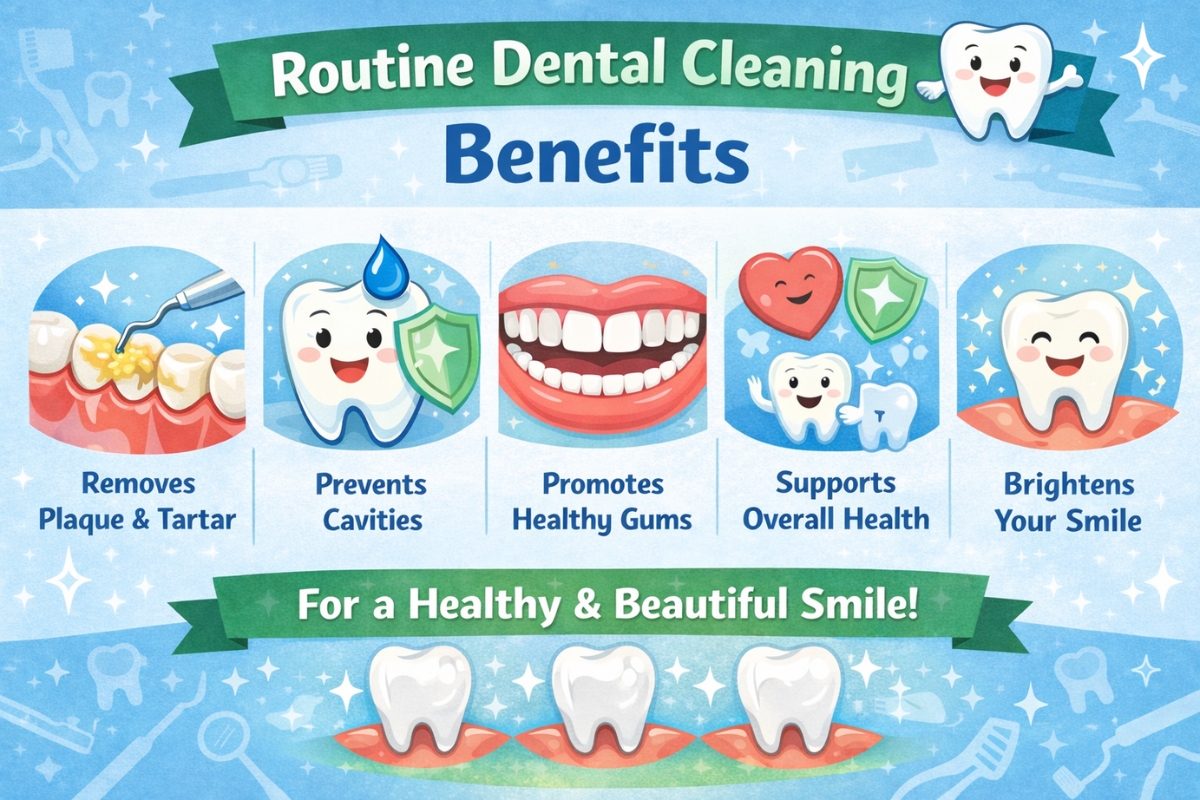
There are numerous benefits of regular dental cleanings for adults who may face greater risks of dental issues over time. Some of the primary advantages of visiting a dentist for a routine cleaning include:
- Avoid Eating/Drinking for a While: It is best to avoid eating and drinking for at least 30 minutes after cleaning your teeth. It allows the minerals in the teeth to reform and prevents the growth of bacteria on the cleaned tooth surfaces.
- Gentle Brushing: In the first 24 hours after your cleaning, brush your teeth gently. This is because your gums may be a little sensitive during this period.
- Stay Hydrated: Drinking water can help flush out any remaining particles in your mouth, keeping it hydrated and helping keep your saliva flowing. This helps to protect your teeth by neutralizing acids in your mouth.
- Steer Clear of Staining Foods: After your routine cleaning, it is a good practice to avoid staining foods and drinks for the next 24 hours. Such foods include coffee, tea, and red wine.
- Daily Oral Hygiene: To maintain your cleaning results, brush your teeth twice a day and floss once a day.
- Use Antibacterial Mouthwash: If your dentist recommends it, an antibacterial mouthwash can help rinse away any remaining bacteria and keep your mouth fresher for longer.
- Monitor for Sensitivity: Mild sensitivity may be felt by some individuals post-cleansing. However, if you notice discomfort or sensitivity, it should go away in a couple of days. If sensitivity persists, you need to consult a dentist.
- Avoid Smoking or Tobacco: It is strongly recommended not to have any tobacco or smoking for at least 24 hours after your dentist visit or treatment because these materials will irritate your gums, along with causing staining.
Take Your First Step to a Healthy Smile
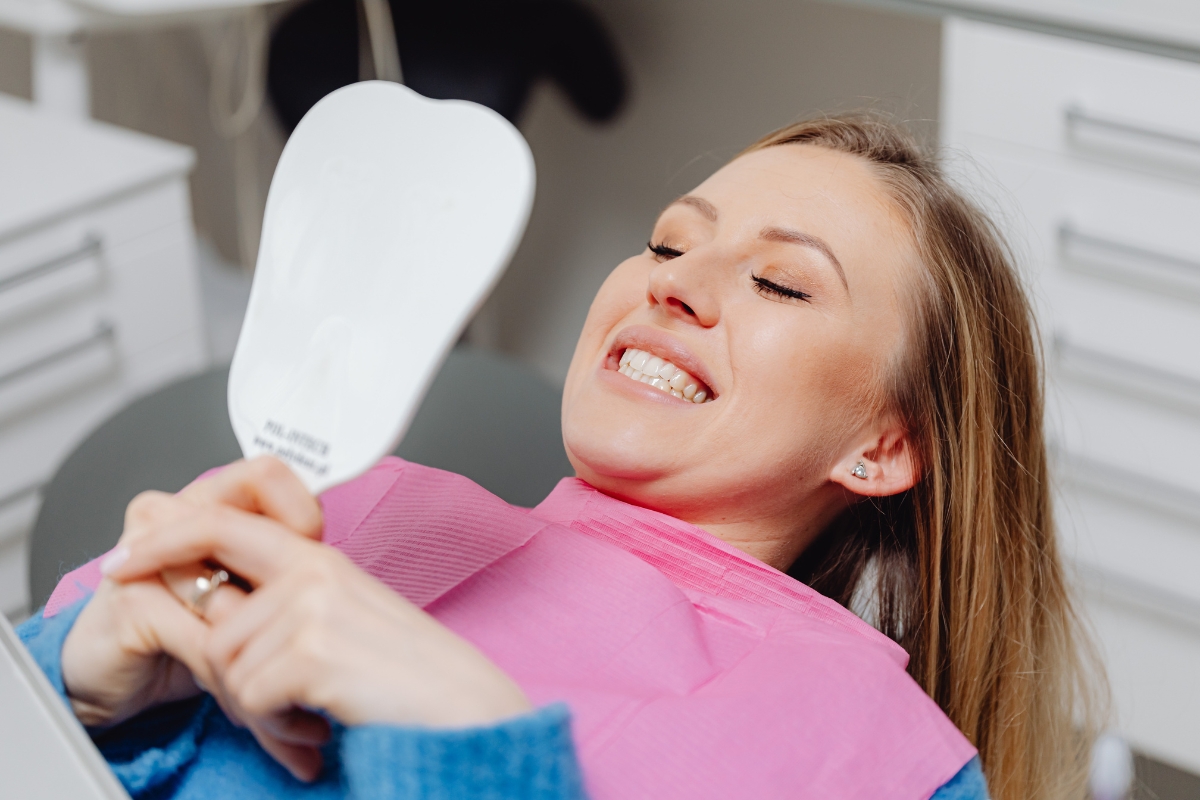
Including professional cleaning in your oral hygiene routine can help you avoid gum disease, cavities, and other oral problems effectively. Not only will professional cleaning help remove harmful plaque and tartar from your teeth, but it will also help maintain a bright, fresh smile. The process will give you a deep clean that can’t be achieved by brushing and flossing alone.
At Pauly Dental, your oral health matters most to us, and we always strive to make your cleaning journey as painless and beneficial as possible. Cleaning is not a simple dental checkup; it’s an investment in your entire health. If you are due for your dental cleaning or want suggestions on how to maintain a healthy smile, we are here to walk you through every step of the process.
Questions People Ask About Professional Dental Cleaning
-
How often should I get a professional dental cleaning?
It’s recommended to have a professional dental cleaning every six months to prevent plaque buildup, detect early oral health issues, and maintain a healthy smile. Your dentist may suggest more frequent cleanings based on your oral health needs.
-
Does professional dental cleaning hurt?
Professional dental cleaning is generally painless, though some sensitivity may occur, especially around the gums. If you experience discomfort, inform your dentist, who can adjust the procedure to make you more comfortable while ensuring thorough cleaning.
-
Can laser teeth cleaning replace traditional methods?
Laser teeth cleaning is an advanced technique that can complement traditional cleaning methods, especially for the treatment of gum disease. It’s gentle, effective, and helps reduce inflammation, but it’s typically used alongside routine cleanings for optimal oral health.
-
Is it safe to have a professional dental cleaning while pregnant?
Yes, professional dental cleaning is safe during pregnancy. However, inform your dentist if you’re pregnant so they can adjust the procedure and use safe techniques, especially during the second trimester when it’s most comfortable.
-
How long does it take to complete a dental cleaning?
A typical dental cleaning takes between 30 minutes and an hour, depending on the condition of your teeth and gums. If additional care is needed, such as scaling or treatment for gum disease, the process may take longer.