4620 East Douglas, Suite 100 Wichita, KS 67208

Is Your Tooth Pain a Dental Emergency? A Patient Triage Guide
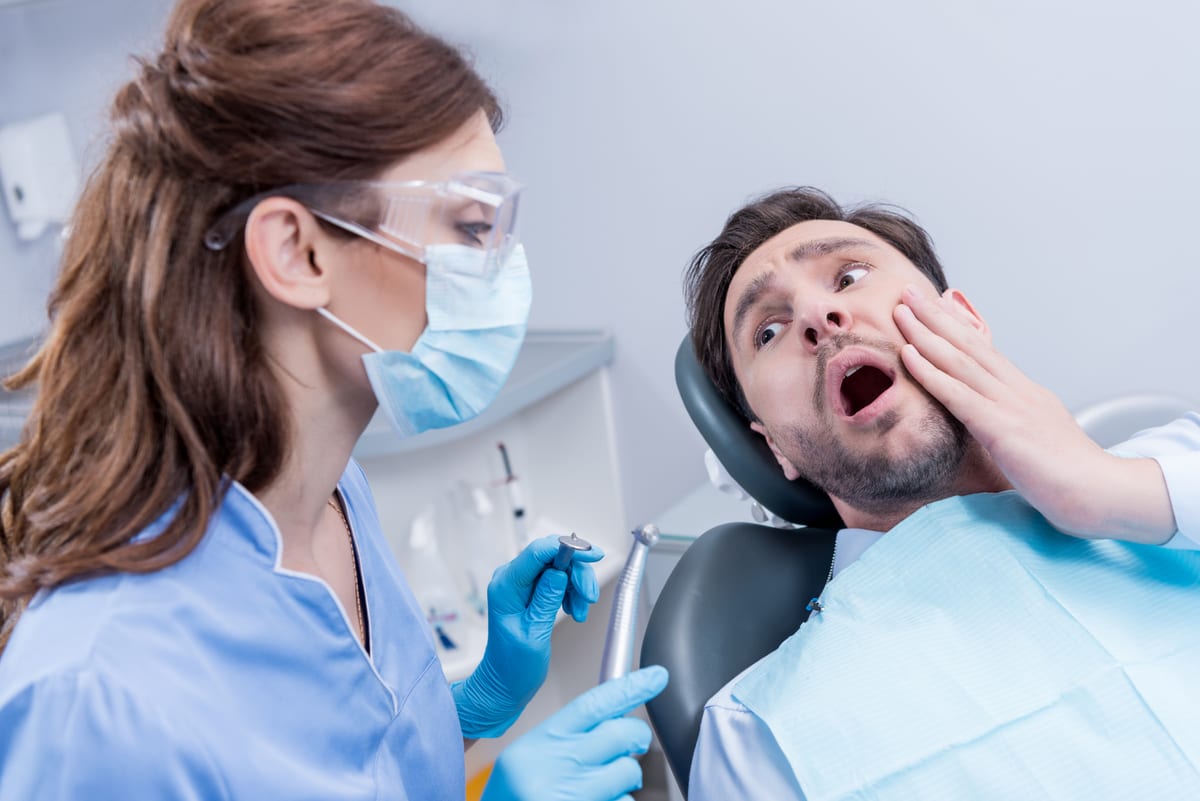
Tooth pain can strike at any moment. One minute you are fine, and the next you are wondering if you need to rush to the dentist. Knowing whether your situation is a dental emergency can save your tooth — and your peace of mind. This patient triage guide helps Wichita residents answer the question: Is your tooth pain a dental emergency? Dr. Terra Pauly and the team at Pauly Dental are here to help you make that call with confidence.
What Counts as a Dental Emergency in Wichita?
Not every ache requires an immediate visit. However, some symptoms demand urgent care. Understanding the difference protects your oral health and prevents small problems from becoming big ones.
A dental emergency is any situation involving severe pain, uncontrolled bleeding, swelling, or a knocked-out tooth. These issues can escalate quickly without treatment. Delaying care for a true emergency can lead to serious infection or permanent tooth loss.
On the other hand, a mild toothache or a chipped tooth that causes no pain can often wait for a scheduled appointment. Knowing where your situation falls helps you act wisely and avoid unnecessary panic.
Triage Guide: Common Situations and What to Do
Use this section as your at-home triage checklist. Each scenario below tells you how urgent the situation likely is. Always trust your instincts — if something feels serious, call your dentist right away.
Severe or Throbbing Tooth Pain
Intense, throbbing pain that does not ease up is a red flag. This type of pain often signals an abscess or deep infection. Left untreated, a dental abscess can spread to your jaw, neck, or even your brain.
What to do: Call Pauly Dental immediately. Do not wait overnight or through a weekend. Take over-the-counter pain relief to manage discomfort while you seek care.
Swelling in Your Jaw, Gum, or Face
Facial or jaw swelling is one of the most serious signs of a dental infection. Swelling that spreads or makes it hard to breathe or swallow is a medical emergency. In that case, go to your nearest emergency room right away.
If swelling is localized to one gum or tooth area, call your dentist the same day. Visible swelling with pain means an infection is likely present. Early treatment stops it from spreading further.
Knocked-Out or Loose Adult Tooth
A knocked-out adult tooth is a true time-sensitive emergency. You have the best chance of saving the tooth if you act within 30 to 60 minutes. Every minute matters here.
What to do:
- Pick up the tooth by the crown, not the root.
- Rinse it gently with water if it is dirty — do not scrub it.
- Place it back in the socket if possible, or store it in milk.
- Call Pauly Dental immediately and head to the office.
A tooth that is loose but still in place also needs urgent care. Do not wiggle it or try to force it into position yourself.
Uncontrolled Bleeding from the Mouth
Some bleeding after a tooth extraction is normal. However, bleeding that does not stop after 20 minutes of firm pressure is a concern. Heavy or spontaneous bleeding from the gums also warrants a call to your dentist.
What to do: Apply firm, steady pressure with a clean gauze or cloth. If bleeding continues beyond 30 minutes, seek emergency dental or medical care. Do not rinse forcefully, as this can dislodge a healing clot.
Lost Crown, Broken Tooth, or Lost Filling
A broken tooth or lost filling is not always an emergency — but it can become one. If a broken tooth has a sharp edge cutting your tongue or cheek, call soon. If you have significant pain or exposed nerve tissue, treat it as urgent.
For a lost crown, try to replace it temporarily using dental cement from a pharmacy. This protects the tooth until you can get to Pauly Dental. Avoid chewing on that side in the meantime.
Situations That Can Usually Wait for a Regular Appointment
Not every dental problem requires emergency care. Some issues are uncomfortable but not immediately dangerous. Here are situations that typically can wait a few days for a scheduled visit:
- A mild toothache with no swelling or fever
- A small chip on a tooth that causes no pain
- A lost filling with no significant pain or sensitivity
- A broken retainer or orthodontic wire that is not poking tissue
- Minor gum soreness or irritation
Even for non-emergencies, call your dentist and describe your symptoms. They can advise you on the best timeline for care. It is always better to check in than to guess on your own.
Special Considerations for Children and Families in Wichita
Dental emergencies in children need special attention. Kids may not be able to describe their pain clearly, so watch for signs like swollen cheeks, refusing to eat, or crying when touching their face. A baby tooth that is knocked out does not need to be reimplanted — but a dentist should still evaluate the area.
If your child loses a permanent tooth, follow the same steps as you would for an adult tooth. Time is equally critical. For families in Wichita looking for trusted care, Pediatric Dentistry Wichita services at Pauly Dental are designed to help children feel safe and comfortable during stressful situations.
Keeping calm is the most important thing you can do for your child. Your calm energy helps them stay steady too. Call the dental office and let them guide you step by step.
How to Prevent Dental Emergencies Before They Happen
Prevention is always the best strategy. Many dental emergencies stem from untreated decay, gum disease, or worn-down teeth. Routine checkups and cleanings catch problems early — before they become urgent.
Wearing a mouthguard during contact sports dramatically reduces the risk of knocked-out or broken teeth. Avoiding hard foods like ice and hard candies also protects your enamel. If you grind your teeth at night, ask Dr. Pauly about a custom nightguard.
Maintaining a healthy, beautiful smile goes beyond emergencies. If you are interested in restorative and aesthetic options, Cosmetic Dentistry Wichita services at Pauly Dental can help strengthen and enhance your smile for the long term.
When in Doubt, Call Pauly Dental in Wichita
You do not have to figure this out alone. If you are unsure whether your tooth pain qualifies as a dental emergency, call us and describe your symptoms. Our team will help you decide quickly whether to come in right away or schedule an appointment.
Dr. Terra Pauly and the Pauly Dental team are committed to caring for Wichita patients with warmth, skill, and urgency when it counts. We understand that dental pain is stressful. Our goal is to make the path to relief as clear and simple as possible.
Do not let uncertainty keep you from getting the care you need. Book Now to schedule your appointment with our team.
Frequently Asked Questions
How do I know if my toothache is a dental emergency?
If your toothache is severe, throbbing, or accompanied by swelling, fever, or difficulty swallowing, it is likely a dental emergency. Call your dentist right away. Mild, occasional discomfort without other symptoms can usually wait for a scheduled visit, but always check with your dental office to be safe.
What should I do if my tooth is knocked out?
Pick up the tooth by the crown and avoid touching the root. Rinse it gently with water, then try to place it back in the socket or store it in milk. Call Pauly Dental immediately. Acting within 30 to 60 minutes gives you the best chance of saving the tooth.
Is a broken tooth always a dental emergency?
Not always. A small chip with no pain can usually wait for a regular appointment. However, if the break causes sharp pain, exposes the nerve, or creates a jagged edge that cuts soft tissue, you should seek care the same day. When in doubt, call your dentist and describe the situation.
Can a dental infection go away on its own?
No. A dental abscess or infection will not resolve without professional treatment. The infection can spread to your jaw, neck, or other areas if left untreated. Antibiotics may help temporarily, but the underlying cause — usually decay or a damaged tooth — must be treated by a dentist.
What counts as a dental emergency for a child?
For children, watch for signs like facial swelling, inability to eat, crying when touching the face, or a knocked-out permanent tooth. Baby teeth that fall out early due to trauma should be evaluated by a dentist, even if reimplantation is not needed. If you are unsure, call Pauly Dental and describe what you see.