4620 East Douglas, Suite 100 Wichita, KS 67208

Teeth Cleaning Stain Removal in Wichita, KS
Understanding what your teeth cleaning can and cannot remove in Wichita helps you walk into every appointment with realistic expectations. Many patients leave their cleaning surprised — either thrilled by brighter teeth or confused about lingering discoloration. The truth is that a professional cleaning is powerful, but it has limits. Knowing those limits helps you make smarter decisions about your smile.
At Pauly Dental, Dr. Terra Pauly and her team believe informed patients get better results. This guide walks you through exactly what a cleaning tackles and what it simply cannot fix on its own.
What a Professional Teeth Cleaning Actually Does
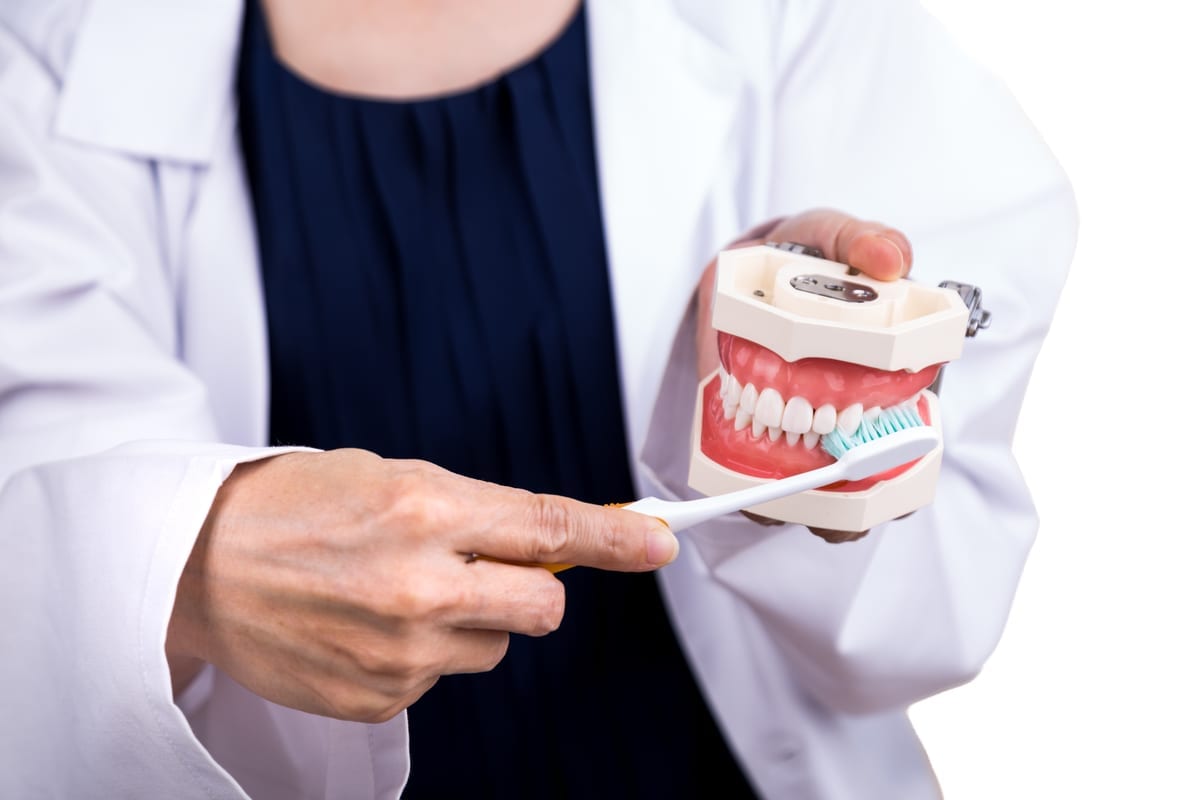
A professional Dental Exams And Cleanings appointment does far more than a quick brush at home. Your hygienist uses specialized tools to remove buildup that your toothbrush simply cannot reach. The process targets two main culprits: plaque and tartar.
Plaque is the soft, sticky film that clings to your teeth daily. Tartar — also called calculus — is hardened plaque that builds up over time. Both harbor bacteria that damage enamel and irritate gums.
Here is what a standard professional cleaning removes:
- Soft plaque deposits along the gumline and between teeth
- Hardened tartar that forms above the gumline
- Surface stains from food, coffee, tea, and tobacco
- Bacterial buildup that contributes to bad breath
- Debris trapped in hard-to-reach spots
After scaling away deposits, your hygienist uses a gritty polishing paste and a rotating tool. This polishing step buffs away surface stains and leaves teeth feeling smooth and clean. Many Wichita patients notice a visible brightness boost right after this step.
Which Stains a Cleaning Can Remove in Wichita
Not all tooth stains are created equal. Dental professionals classify stains as either extrinsic or intrinsic. A professional cleaning targets extrinsic stains — those that sit on the outer surface of your enamel.
Extrinsic stains come from the things you eat and drink every day. Coffee, red wine, tea, soy sauce, and berries all leave pigmented residue on enamel. Tobacco use — both smoking and chewing — creates some of the most stubborn surface stains a hygienist encounters.
The good news is that polishing during your cleaning can lift many of these stains effectively. If you visit your Wichita dentist every six months as recommended, surface stains rarely get the chance to set deeply. Regular cleanings keep your enamel smoother, which actually makes it harder for new stains to grip.
Patients who drink a lot of dark beverages often notice the biggest improvement right after their polishing step. The difference can be dramatic when stains have been building up for a year or more between visits.
What a Cleaning Cannot Remove — And Why
Here is where realistic expectations become important. A professional cleaning cannot change the natural color of your teeth. If your enamel is naturally yellowish or gray, polishing will not make it brilliant white. That is not a flaw in the process — it is simply biology.
Intrinsic stains live inside the tooth structure itself. These stains develop from causes such as:
- Certain antibiotics taken during childhood tooth development
- Excessive fluoride exposure during enamel formation
- Aging, which naturally darkens dentin beneath the enamel
- Trauma or injury that affects a single tooth internally
- Genetic factors that determine natural tooth shade
No amount of polishing reaches these deeper discolorations. The cleaning tools work on the outer enamel surface only. Intrinsic stains require a different approach entirely.
Deep tartar deposits below the gumline also fall outside the scope of a standard cleaning. Patients with significant buildup beneath the gumline may need a deeper procedure called scaling and root planing. Dr. Pauly will let you know if that applies to your situation during your exam.
When Teeth Whitening Is the Right Next Step
If your cleaning does not deliver the brightness you hoped for, professional teeth whitening may be the answer. Whitening treatments use peroxide-based agents that penetrate enamel and break apart the molecular bonds of stain compounds. This works on a deeper level than polishing can.
Professional whitening at Pauly Dental is stronger and more consistent than store-bought strips. Dr. Pauly customizes the treatment to your teeth and monitors the process for safety. Results are typically faster and more even than anything available over the counter.
A good rule of thumb: always get your cleaning first before whitening. Removing surface deposits allows the whitening agent to contact enamel evenly. Starting with clean teeth produces far better whitening results.
It is worth noting that whitening works only on natural tooth enamel. Crowns, veneers, and bonding materials do not respond to whitening agents. If you have dental restorations, Dr. Pauly can discuss realistic expectations and matching options during your visit.
Setting the Right Expectations for Every Age Group
Stain patterns and cleaning needs vary across different life stages. Children and teens tend to have fewer surface stains but still build tartar and plaque. Establishing early cleaning habits sets a strong foundation for lifelong oral health.
If you have children, our Pediatric Dentistry team makes their cleaning visits comfortable and age-appropriate. We help young patients understand what is happening during each step so they feel confident rather than anxious.
Adults in their 30s and 40s often see more surface staining from years of coffee and tea. Regular six-month cleanings help manage this buildup before it becomes significant. Patients over 50 sometimes notice intrinsic darkening that no cleaning can reverse — and whitening becomes a meaningful option at that stage.
No matter your age, Dr. Pauly takes time to explain exactly what she sees and what your options are. You will never leave Pauly Dental without a clear picture of your oral health status.
Conclusion: Know What to Expect at Your Next Cleaning
Understanding what your teeth cleaning can and cannot remove in Wichita empowers you to set smart goals for your smile. A professional cleaning is one of the most valuable tools in dentistry — it removes harmful deposits, polishes away surface stains, and protects your long-term oral health. But it is not a whitening treatment, and it cannot alter your tooth’s natural shade. When deeper discoloration is the goal, Dr. Terra Pauly can walk you through professional whitening and other cosmetic options that actually address intrinsic staining. The first step is simply showing up for your cleaning and having an honest conversation about your smile goals. Book Now to schedule your appointment with our team.
Frequently Asked Questions
Will my teeth look whiter after a professional cleaning?
Many patients notice their teeth look brighter after a cleaning because polishing removes surface stains from coffee, tea, and food. However, the cleaning does not change your tooth’s underlying natural color. If you want a more dramatic whitening effect, ask Dr. Pauly about professional whitening treatments during your visit.
How often should I get a teeth cleaning in Wichita?
Most adults benefit from a professional cleaning every six months. Patients with gum disease, heavy tartar buildup, or certain health conditions may need more frequent visits. Dr. Pauly will recommend a schedule based on your specific oral health needs during your exam.
Can a cleaning remove tartar that has built up under my gums?
A standard cleaning removes tartar above the gumline and just slightly below it. Significant buildup beneath the gumline requires a deeper procedure called scaling and root planing. If Dr. Pauly finds subgingival tartar during your exam, she will explain your options clearly before any additional treatment begins.
Is teeth polishing during a cleaning safe for my enamel?
Yes, professional polishing is safe when performed by a trained hygienist. The polishing paste is mildly abrasive and designed to buff surface stains without harming healthy enamel. For patients with sensitive teeth or thin enamel, your hygienist can adjust the technique and paste to minimize any discomfort.
What stains does professional whitening remove that a cleaning cannot?
Professional whitening targets intrinsic stains — discoloration that lives inside the tooth structure rather than on its surface. This includes staining from aging, certain medications, and genetics. These stains do not respond to polishing but can often be lightened significantly with a peroxide-based whitening treatment supervised by Dr. Pauly.